
Many people assume "private" means "a plan I buy myself." It doesn't. If your employer sponsors your health plan, that's private coverage too. So is a Marketplace plan, even though a state or federal agency runs the exchange.
This confusion carries real financial weight. 59% of uninsured adults report trouble paying for care, compared to 30% of insured adults, according to KFF's research on the uninsured population.
This guide covers how private coverage actually works, how it differs from Medicare and Medicaid, what premiums and out-of-pocket costs mean in practice, and how to compare plans without picking based on price alone.
Key Takeaways
- Private health insurance comes from employers, the ACA Marketplace, direct insurers, or licensed brokers
- The right plan balances premium, provider network, and drug coverage, not only the monthly bill
- Marketplace plans are private insurance; Medicare, Medicaid, and CHIP are public programs with different rules
- Review the provider directory, formulary, deductible, coinsurance, and out-of-pocket maximum before enrolling
What Is Private Health Insurance?
Private health insurance is coverage issued or administered by a private insurance company, not a government program. It helps pay for doctor visits, hospital stays, prescriptions, and preventive care, based on that specific plan's rules and network.
Private Coverage vs. Individual Coverage
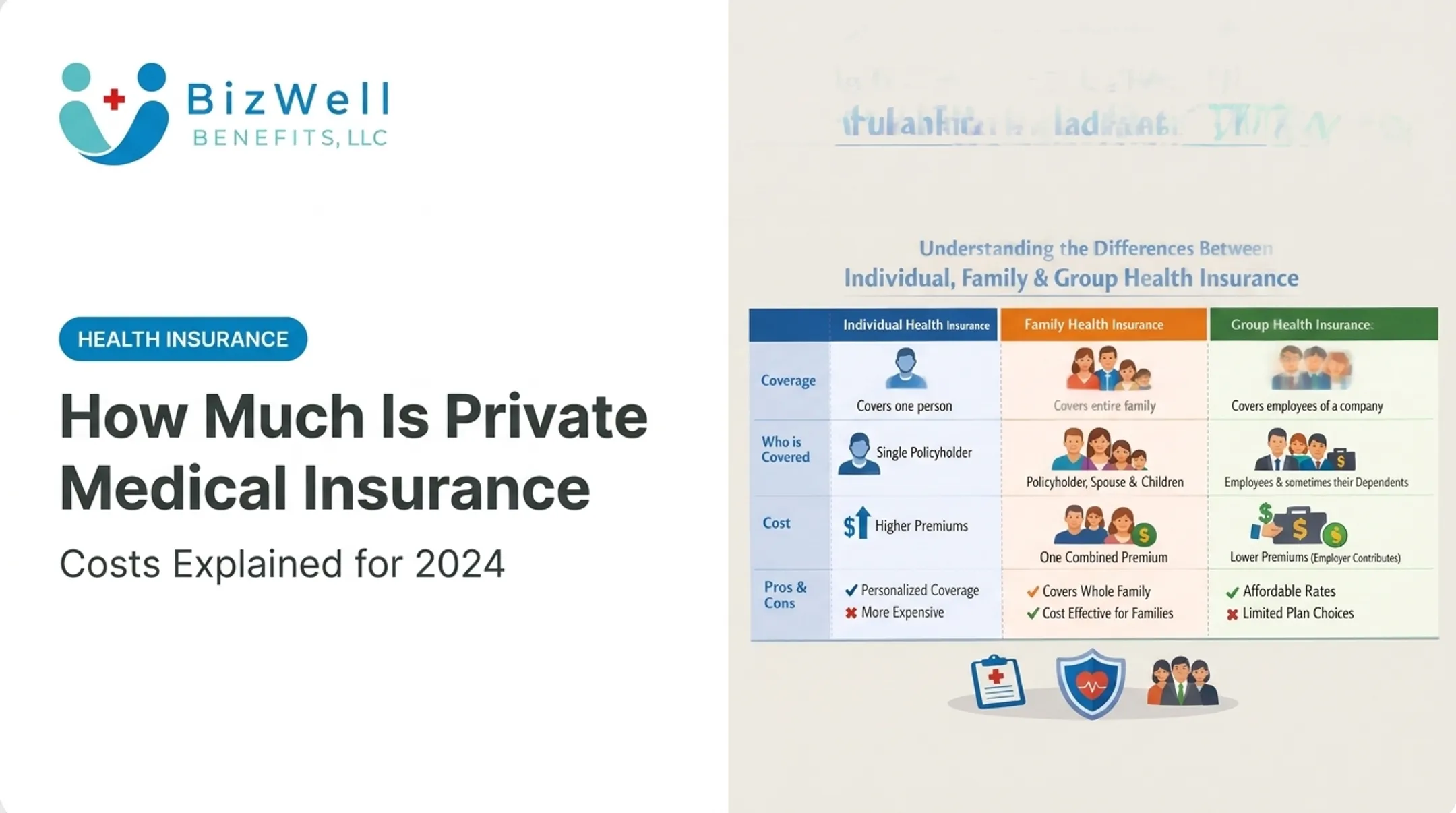
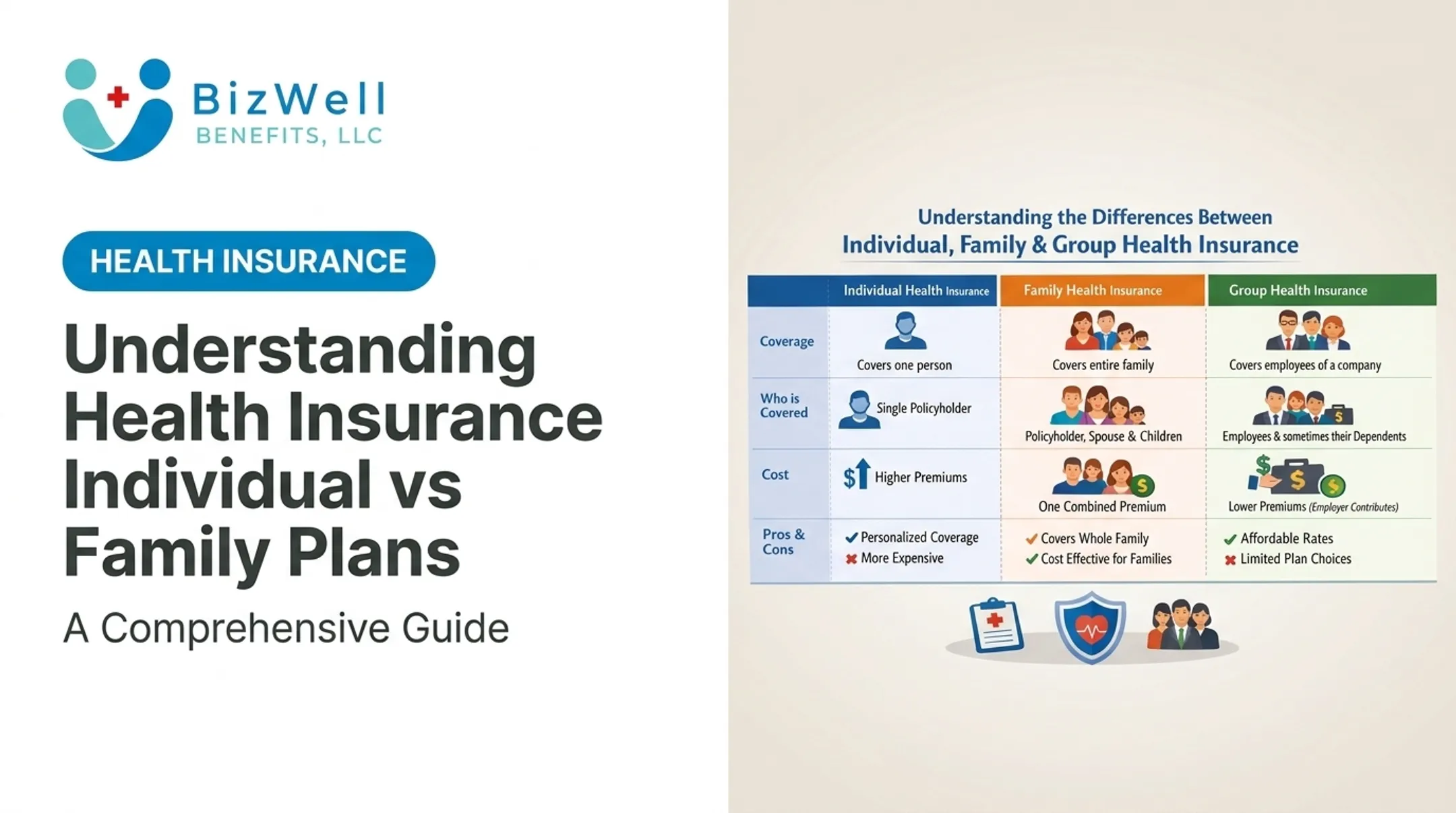
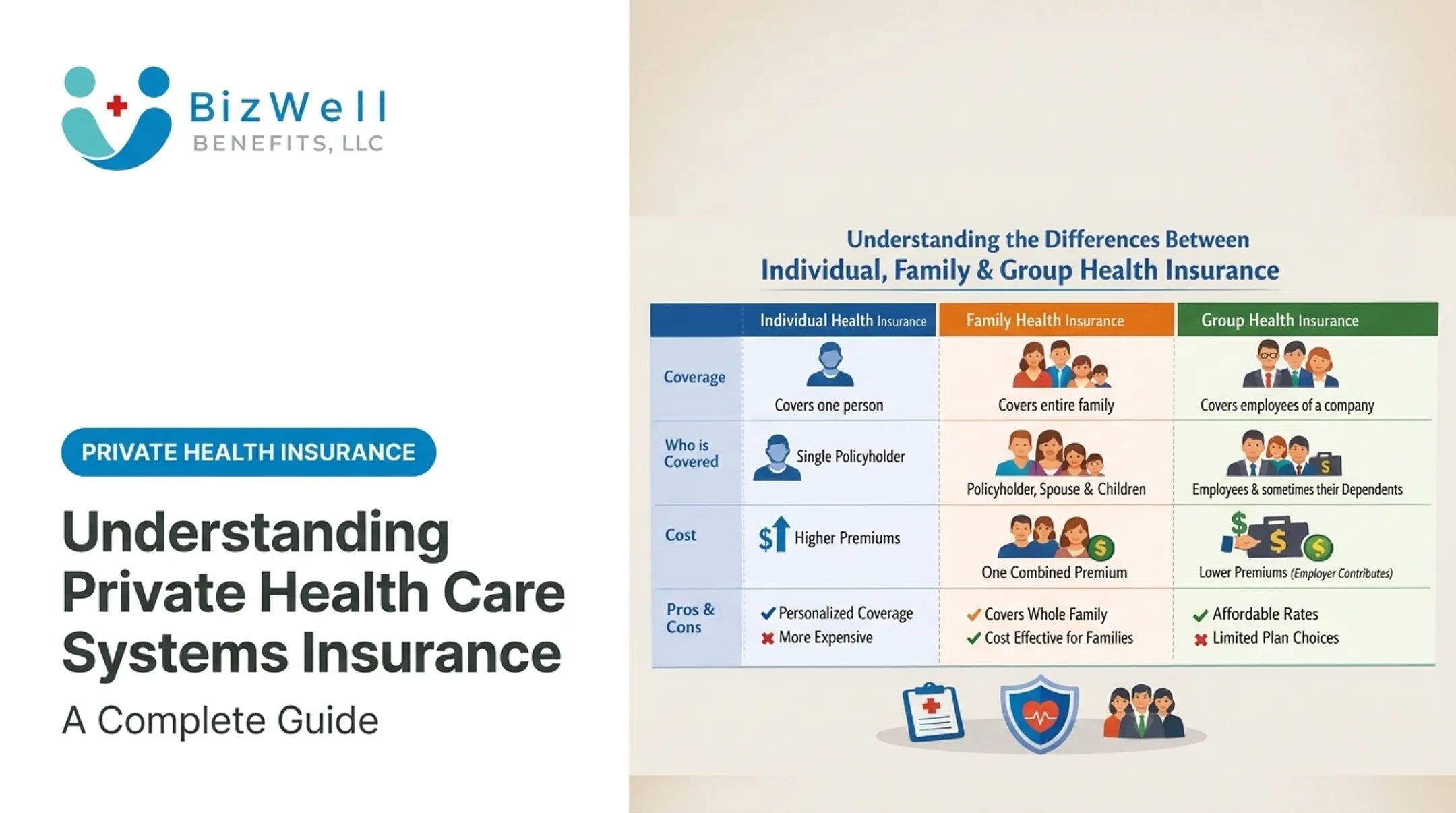
These two terms get mixed up constantly. "Private" describes who provides the coverage. "Individual" describes how someone obtained it.
- Employer-sponsored (group) plan — private coverage obtained through a job
- ACA Marketplace plan — private coverage purchased individually under federal rules
- Off-Marketplace plan — private coverage bought directly from an insurer
Both employer plans and Marketplace plans count as private insurance, even though Marketplace plans follow ACA regulations and can qualify for subsidies.
Private vs. Public Coverage
Public programs are funded and administered by the government. Private plans are backed by insurers or employers who carry the financial risk.
- Medicare — federal program for people 65+ or with certain disabilities
- Medicaid & CHIP — state-administered programs for eligible low-income adults, families, and children
- VA health benefits — for eligible veterans
- Private insurance — everything else, including employer plans, Marketplace plans, and direct-purchase policies
How Risk Pooling Actually Works
Every private plan runs on the same principle: shared risk. Members, and often employers, pay premiums into a pool. That pool covers claims for people who need care, subject to the plan's network rules and cost-sharing terms.
According to the Kaiser Family Foundation's overview of private insurance regulation, a balanced risk pool keeps costs more predictable. It also helps prevent adverse selection, where healthier members leave and costs climb for everyone remaining. This is general educational information, not personalized insurance or tax advice.
Types and Sources of Private Health Insurance
Private coverage doesn't come from one single channel. The main routes include:
- Employer or union group plans
- Individual or family Marketplace plans
- Off-Marketplace plans bought from an insurer or through a broker
- COBRA continuation coverage after leaving a job
- Short-term limited-duration insurance, where state law permits it
When an Individual Plan Makes Sense
People typically shop for their own coverage when they:
- Are self-employed or starting a business
- Work for an employer that doesn't offer benefits
- Just lost employer coverage or are between jobs
- Aged off a parent's plan
- Want broader provider access than their current network allows
Comparing Plan Types
| Plan Type | Out-of-Network Coverage | Referral Needed |
|---|---|---|
| PPO | Yes, at higher cost | No |
| HMO | Emergencies only | Usually |
| EPO | Emergencies only | No |
| POS | Limited, at higher cost | Yes |
PPOs generally cost more in exchange for flexibility. BizWell's internal plan comparisons put average PPO premiums around $517 a month versus roughly $427 for HMOs. You pay for choice.
EPOs usually skip referrals but still limit you to the network except in emergencies. POS plans require referrals and allow only limited out-of-network care at a higher cost.

A Word of Caution on Short-Term Plans
Short-term plans sit on that same sources list, but they work differently from major medical. They can bridge a temporary gap; they are not built like ACA-compliant coverage. Many exclude:
- Pre-existing conditions
- Prescription drugs
- Maternity care
- Mental health and substance-use treatment
Federal rules on term length and renewals have shifted recently, and states layer on their own limits. Confirm current terms before you buy. Don't assume a short-term plan covers what an ACA plan does.
How Private Health Insurance Costs Work
Your premium is just the entry fee. What you pay when you actually need care—deductible, copay, coinsurance, and out-of-pocket maximum—often matters more over a full year.
- Deductible — what you pay before coinsurance starts
- Copay — a flat fee per visit or prescription
- Coinsurance — your percentage share after the deductible is met
- Out-of-pocket maximum — the most you'll pay in a plan year for covered, in-network care
Why a Lower Premium Isn't Always Cheaper
Compare two hypothetical plans side by side:
| Cost factor | Plan A | Plan B |
|---|---|---|
| Monthly premium | $350 | $650 |
| Deductible | $7,500 | $2,500 |
| Annual premium cost | $4,200 | $7,800 |
Plan A saves $3,600 a year in premiums if you stay healthy. But one ER visit or surgery early in the year could wipe out that savings fast, given the $7,500 deductible. Plan B costs more monthly but caps your early-year exposure at a lower number.
ACA Metal Tiers Aren't a Quality Rating
Bronze, Silver, Gold, and Platinum describe how costs split between you and the plan — not medical quality:
- Bronze — plan pays ~60%, you pay ~40%
- Silver — plan pays ~70%, you pay ~30%
- Gold — plan pays ~80%, you pay ~20%
- Platinum — plan pays ~90%, you pay ~10%
Higher tiers generally mean higher premiums and lower cost-sharing when you actually use care.

Financial Assistance Can Change the Math
Marketplace plans may qualify for:
- Premium tax credits, which lower your monthly bill
- Cost-sharing reductions, which lower deductibles, copays, and coinsurance on Silver plans only
Eligibility depends on household size, income, and location, and these figures shift yearly. Check current numbers directly on HealthCare.gov rather than relying on an old chart.
Other Cost Factors to Research
Before enrolling, dig into:
- Age-based pricing (older enrollees typically pay more)
- Tobacco surcharges, where applicable
- Family size and location
- Prescription and specialist needs
- Whether a high-deductible plan actually qualifies for an HSA
Not every high-deductible plan is automatically HSA-eligible. Per IRS Publication 969, you generally need HDHP-only coverage, no other disqualifying coverage, and no Medicare enrollment to contribute.
For 2026, IRS contribution limits are $4,400 for self-only coverage and $8,750 for family coverage. Confirm your plan's HSA status with the insurer before assuming it qualifies.
How to Compare and Enrol in a Plan
How to Compare and Enroll in a Plan
Before comparing plans, build a quick personal checklist:
- Doctors and hospitals you want to keep
- Current prescriptions
- Ongoing conditions or planned procedures
- Travel patterns, maternity, or behavioral health needs
- Your budget and tolerance for surprise bills
Verify the Network Yourself
A carrier's name on a brochure doesn't guarantee your doctor is in-network. The same carrier often sells several network types in one region, say one broad PPO and one narrower option, and directories can lag behind reality.
Call the provider's office directly and confirm they accept the exact plan you're considering, not just the carrier brand.
A Step-by-Step Way to Compare Plans
- Gather household size and income information
- List your available enrollment routes: employer, Marketplace, off-Marketplace, or broker
- Compare each plan's Summary of Benefits and Coverage side by side
- Check the drug formulary and provider directory for that specific plan
- Estimate your total annual cost, not just the premium
- Read the exclusions and limitations section before signing anything

Timing Matters
Marketplace enrollment runs during an annual Open Enrollment window, plus Special Enrollment Periods triggered by events like marriage, job loss, or a new baby. Employer plans follow their own calendars. Many private and off-Marketplace plans allow year-round enrollment, which matters if you miss a standard window. Deadlines still shift year to year, so confirm current dates through HealthCare.gov, your HR department, or your broker before committing.
Getting Help From an Independent Broker
Comparing plan documents from five carriers at once is tedious, and the small print matters. This is where an independent broker like BizWell Benefits comes in. Katherine Nguyen and her team work with individuals, families, self-employed professionals, and small-business owners to compare options across multiple carriers in plain language, often through a free, no-pressure consultation.
Broker availability, compensation, plan eligibility, and carrier appointments vary by state and situation. A consultation doesn't guarantee a specific plan, approval, or savings amount, but it can save hours of comparison work.
Before You Hit Submit
Once you've chosen a plan:
- Confirm your effective date
- Pay your first premium on time
- Save your policy and Summary of Benefits and Coverage
- Verify your ID card arrives and is accurate
- Re-check provider and prescription coverage after enrollment
Frequently Asked Questions
Can I buy private health insurance in the USA?
Yes. You can get it through an employer, the ACA Marketplace, directly from an insurer, or through a licensed broker. Availability and financial assistance depend on your income, household, and state.
What happens in America if you have no health insurance?
You're generally responsible for the full cost of any care you receive. Check current Medicaid, Marketplace, hospital financial assistance, and Special Enrollment options before assuming you have no path to coverage.
Is Marketplace health insurance private health insurance?
Yes. Marketplace plans are issued by private insurers but must follow ACA rules on benefits and protections. That distinguishes them from public programs like Medicare and Medicaid.
What is the difference between a premium, deductible, copay, and coinsurance?
The premium is your monthly bill. The deductible is what you pay before coinsurance starts. Copays are flat fees per service, and coinsurance is your percentage share afterward — all four affect your total annual cost.
Is a PPO better than an HMO?
Neither is universally better. PPOs offer more provider flexibility and out-of-network coverage at a higher premium; HMOs cost less but require referrals and in-network care. It depends on your doctors and expected usage.
When can I enroll in private health insurance?
Employer plans have their own annual windows, Marketplace plans use Open Enrollment, and both allow Special Enrollment Periods after qualifying life events. Always verify current deadlines through official sources.