
Many newly married couples assume combining coverage under one policy is the obvious money-saver. That's not always true. The right answer depends on your total costs, medical needs, provider access, and each spouse's specific eligibility.
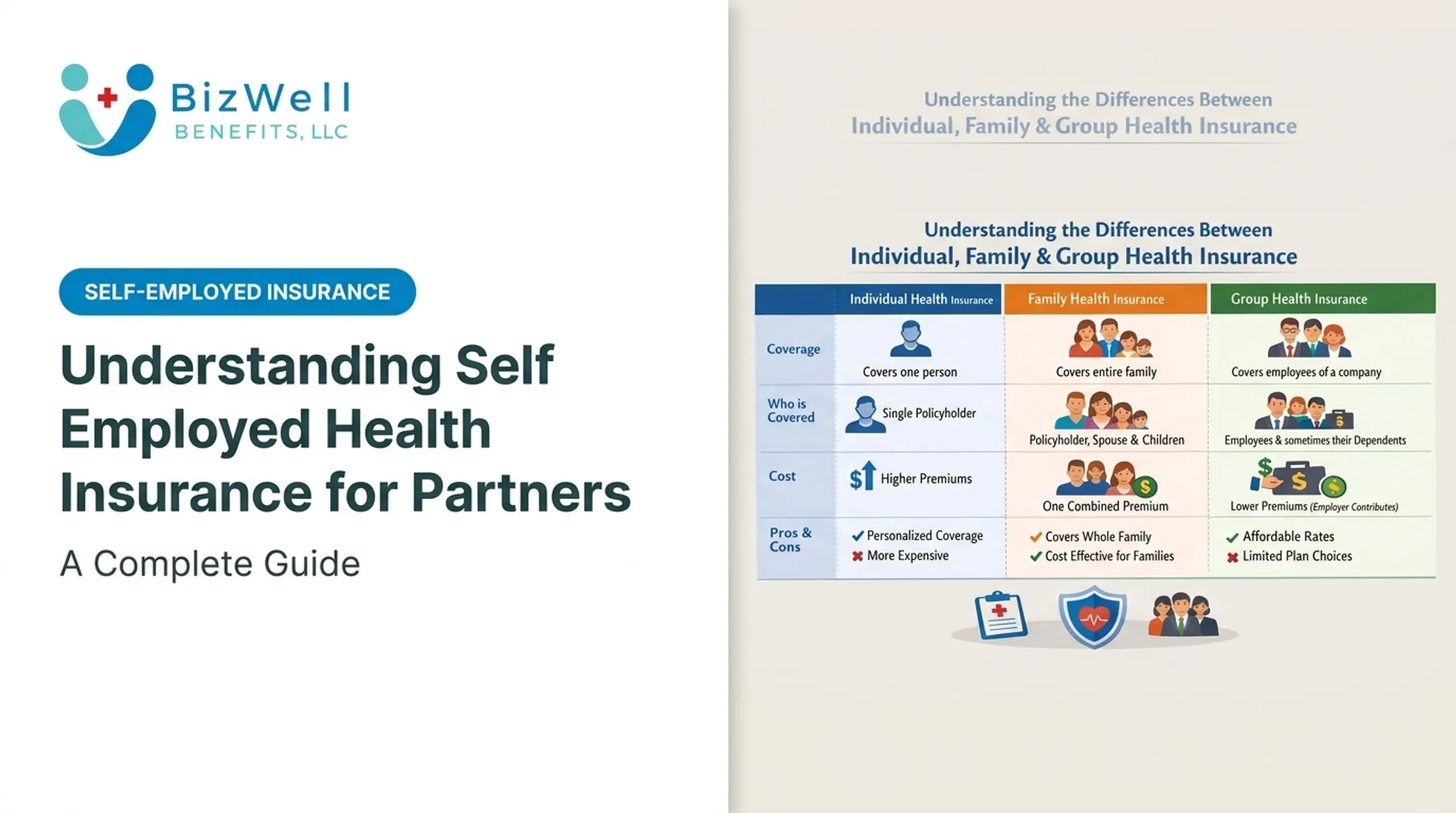
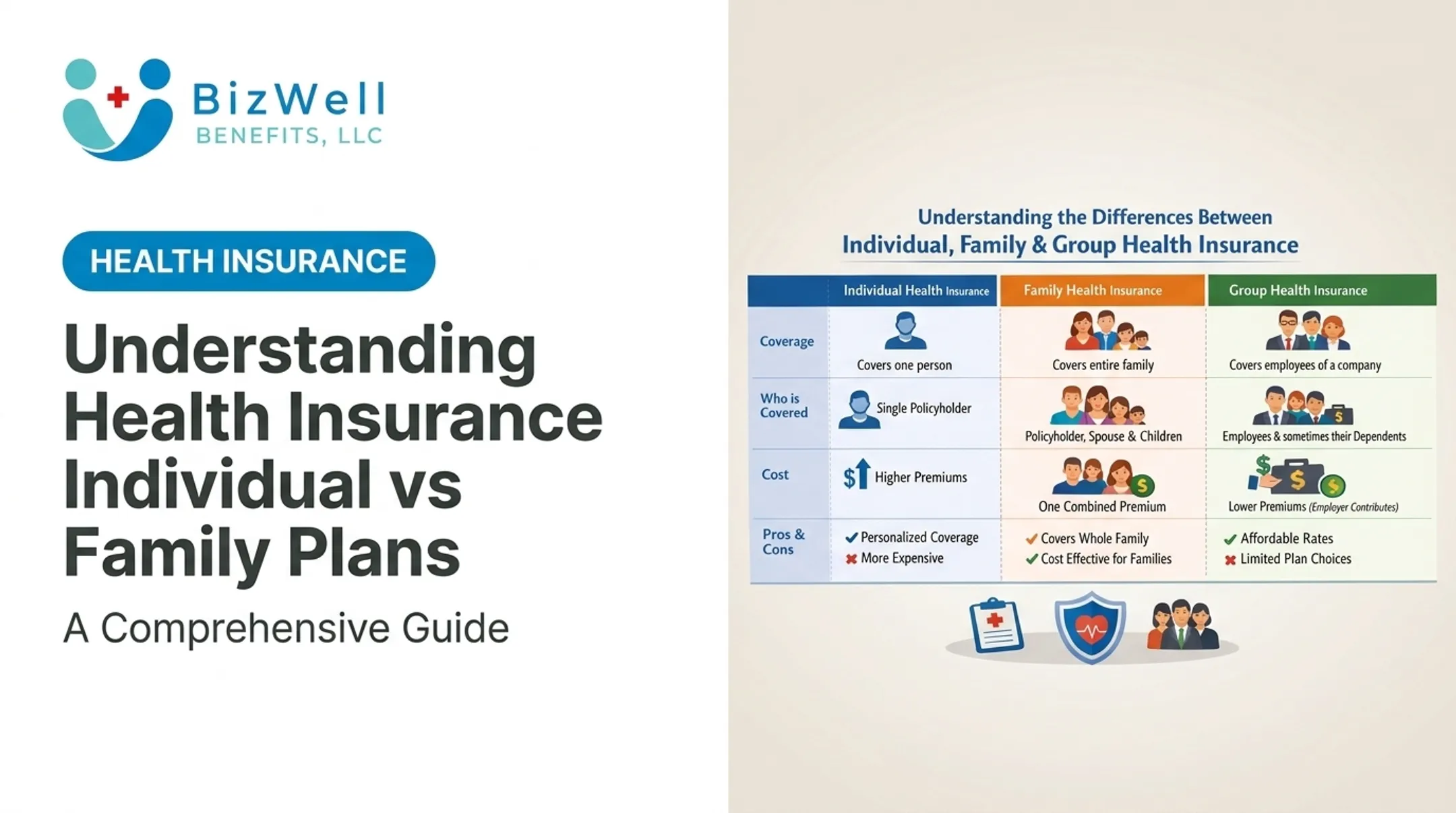
Here's some context: employer-sponsored health coverage now averages $9,325 a year for single coverage and $26,993 for family coverage, according to KFF's 2025 Employer Health Benefits Survey. That gap between individual and family premiums is exactly why this decision deserves real scrutiny.
This guide breaks down your options: joining a spouse's plan, staying on separate coverage, combining employer benefits, or shopping the Marketplace or private market. We'll walk through the costs, deadlines, and trade-offs that actually matter.
Key Takeaways
- Compare total costs, not just premiums: deductibles, copays, coinsurance, and out-of-pocket maximums all matter.
- Marriage triggers a Special Enrollment Period, but deadlines and paperwork vary by plan.
- Separate plans often make more sense when spouses have different doctors, medications, or employer contributions.
- Review spousal surcharges, HSA eligibility, and any planned medical care before deciding.
- An independent broker can compare multiple carriers when the math gets complicated.
What Is Health Insurance for a Spouse?
Spouse health insurance means coverage available to your husband or wife through your employer's plan, an ACA Marketplace plan, or a private individual and family policy. Marriage itself doesn't guarantee your spouse identical eligibility or automatic enrollment. You typically still need to add them during a qualifying window.
Spouse coverage also differs from domestic partner coverage. Unmarried partners often face separate rules: eligibility depends entirely on the employer's plan documents, the insurer, and applicable state law. A legal spouse generally has clearer, more consistent enrollment rights than a domestic partner does.
The Main Components of Spousal Health Insurance
Before choosing between one shared policy or two separate ones, break down these core elements:
- Premiums: Recurring cost for employee-only, employee-plus-spouse, or family coverage. Employer contributions vary, and a spousal surcharge can erase savings if your spouse has another employer plan.
- Deductibles and cost-sharing: Deductibles, copays, and coinsurance set what you pay before and after the plan kicks in. Family plans usually include both an individual deductible and a shared family deductible.
- Out-of-pocket maximums: Yearly ceiling on in-network covered care. For 2026 Marketplace plans, that cap is $10,600 individual and $21,200 family, per HealthCare.gov. Premiums and most out-of-network charges don't count.
- Provider networks and prescriptions: Match both spouses' doctors, specialists, hospitals, and pharmacies to the network and drug formulary. One gap can undo an otherwise good deal.
- Enrollment and eligibility: Open enrollment, employer windows, and Special Enrollment Periods after marriage each have different deadlines and paperwork. Confirm details with HR or the Marketplace directly.

Benefits of Choosing the Right Spouse Coverage
Getting this decision right pays off in predictable ways: steadier household budgeting, access to the doctors you actually want to see, and protection from a surprise six-figure medical bill.
A single shared plan can simplify life:
- One card, one bill, and one deductible to track
- Combined deductible and out-of-pocket maximum for the household
- Less paperwork than running two separate policies
That said, "easier to manage" and "cheapest option" aren't the same thing.
Separate plans have their own upside:
- Preserve better provider networks for each spouse individually
- Keep employer contributions and subsidies intact when both spouses have coverage available
- Allow one spouse to keep a specialist or medication plan that a combined policy might not cover as well
A word of caution: short-term plans, limited-benefit policies, and other non-insurance arrangements often exclude pre-existing conditions, mental health care, or prescription coverage. Comprehensive major medical plans typically include those benefits. Don't compare a bare-bones stopgap plan with full coverage as if they were equivalent—they're not.
What to Consider When Choosing the Best Health Insurance for a Spouse
The right choice depends on income, employment situation, medications, location, and expected care. Before deciding anything, gather each spouse's Summary of Benefits and Coverage, a premium quote, the provider directory, the drug formulary, and the enrollment deadline. Line them up side by side.
Cost of Coverage
Compare the employee-only premium against the employee-plus-spouse or family premium. Then compare both figures against the cost of two separate individual policies. Employer contributions vary by company, and a spousal surcharge (sometimes requiring the spouse to use their own available employer coverage instead) can shift the math significantly.
Total Annual Healthcare Spending
Add up the full picture: yearly premiums plus expected deductibles, copays, coinsurance, and prescription costs. Model two scenarios.
| Scenario | Assumptions | What to Check |
|---|---|---|
| Expected use | Routine checkups, occasional prescriptions | Premium + estimated copays |
| High medical use | Surgery, ongoing treatment, pregnancy | Premium + deductible + out-of-pocket max |
Running both scenarios shows you the real range of exposure, not just a best-case number.
Provider Networks and Access to Care
Verify that both spouses' current doctors, specialists, hospitals, behavioral health providers, and pharmacies are in-network before enrolling, not after scheduling an appointment.
- HMO: Requires a primary care doctor and referrals; limited network, generally lower premiums
- PPO: No referrals needed, broader access including out-of-network care at higher cost
- EPO: No referrals, but coverage limited strictly to in-network providers

Out-of-network PPO care often means higher deductibles, separate maximums, and balance-billing risk. Confirm plan-specific rules before assuming coverage travels with you.
Benefits, Medications, and Health Needs
Compare preventive care, maternity coverage, mental health services, and prescription formularies against what your household actually needs now and anticipates needing soon. A lower premium loses its appeal fast if it excludes a required medication or places a preferred provider out of network with restrictive prior authorization rules.
Employer, Marketplace, and Private-Plan Options
Each path has distinct rules:
- Employer coverage typically shares premium costs between employer and employee, with enrollment tied to job status.
- ACA Marketplace plans may offer premium tax credits based on household income, but eligibility depends on tax filing status and whether employer coverage is deemed "affordable."
- Private individual and family plans, available outside the Marketplace, often provide more flexible coverage tiers and year-round enrollment.
BizWell Benefits focuses on individual and family plans with nationwide PPO network access for clients who need broader provider choice.
Marketplace financial assistance depends on your specific household circumstances and tax details. Verify current eligibility through official sources or a licensed agent rather than assuming last year's numbers still apply.
HSA, FSA, and Tax Considerations
Plan design affects whether you qualify for a Health Savings Account. For 2026, the IRS set HSA contribution limits at $4,400 for self-only coverage and $8,750 for family coverage, per Rev. Proc. 2025-19. Note: if either spouse has family HDHP coverage, both are generally treated as having family coverage for HSA contribution purposes.
FSAs are usually offered through an employer, do not require an HDHP, and typically follow use-it-or-lose-it rules, so they pair differently with spousal coverage than HSAs do.
Marriage can also shift your tax filing status and household income calculations, which affects Marketplace subsidy eligibility. Talk to a tax professional for anything filing-specific.
Future Changes and Administrative Steps
Before locking in a decision, think ahead: planned pregnancy, ongoing treatment, surgery, a possible move, or a job change that could cost one spouse their employer coverage.
Quick action checklist:
- Confirm your qualifying event (marriage, loss of coverage)
- Gather documentation—marriage certificate or proof of coverage loss
- Ask HR about enrollment deadlines
- Verify the coverage effective date
- Confirm both spouses' providers and prescriptions are covered
- Save all enrollment confirmations
Marriage itself triggers a Marketplace Special Enrollment Period; per HealthCare.gov, you can typically select a plan by the last day of the month, with coverage starting the first day of the following month.
Employer plans often require enrollment requests within 30 days of the event. Miss the window, and you may be stuck waiting for the next open enrollment.
How BizWell Benefits Can Help
Comparing spouse coverage options on your own is hard. BizWell Benefits is an independent health insurance agency that reviews options across multiple carriers instead of pitching you a single insurer's product.
Katherine Nguyen, Founder, Owner, and Licensed Healthcare Agent at BizWell Benefits, works directly with couples to translate premiums, networks, deductibles, and plan limitations into a clear comparison you can act on.
What BizWell Benefits offers:
- Personalized guidance for individuals, families, and self-employed clients
- Private and group coverage for small businesses (2-49 employees) and larger groups (50-100+)
- Access to nationwide PPO networks where available
- Free, no-pressure consultations before you commit

If you're weighing a spouse's employer plan against a private option, or checking whether a surcharge makes separate coverage cheaper, a short consultation can cut hours of guesswork.
Reach BizWell Benefits at 713-352-7573 or info@bizwellbenefits.com.
Keep in mind: plan availability, pricing, and eligibility vary by applicant, carrier, and state. Any recommendation should be based on your actual circumstances, not generic assumptions.
Conclusion
Choose the mix of coverage, cost, and network access that protects your household financially and medically. Putting both spouses on one policy only makes sense when the full picture supports it.
Before you enroll or switch:
- Compare total annual exposure, not just the monthly premium on the form
- Verify deadlines and read plan documents before cancelling existing coverage
- Treat cancellation carefully—once coverage is gone, getting it back can take months
Review your spouse’s coverage every year, and again when marriage, employment, income, or health needs change. What worked last year may not work this year.
If you want a second set of eyes on the tradeoffs, BizWell Benefits offers free consultations to compare options across carriers and clarify what fits your household.
Frequently Asked Questions
Can I add my unmarried partner (girlfriend or boyfriend) to my health insurance?
It depends on your employer's plan, the insurer's rules, and applicable state law. Some plans allow domestic partner enrollment; others limit coverage strictly to legally married spouses.
Will my insurance premium increase if I add my wife?
Likely yes. Moving from employee-only to employee-plus-spouse coverage typically raises the premium. The exact amount depends on employer contribution levels, plan design, and any spousal surcharge, so compare total costs before deciding.
How can I get free or low-cost health insurance in the USA?
Options include Medicaid, the Children’s Health Insurance Program (CHIP), Marketplace financial assistance, and employer-sponsored coverage, depending on your income and household situation. Check eligibility through official U.S. or state resources, since rules vary.
Are there free health insurance options for adults in Tennessee?
Tennessee's Medicaid program, TennCare, covers specific groups like low-income pregnant women, children, and parents/caretakers rather than all adults broadly. Confirm current eligibility categories through Tennessee's official TennCare resources.
What are some affordable health insurance options in Florida?
Florida residents can explore employer plans, ACA Marketplace plans with possible subsidies, Medicaid where eligible, and private individual plans. Premiums and eligibility vary significantly by income and household size.
Can I go without health insurance in the US?
You can, though it carries real financial risk from unexpected medical bills. The federal penalty is currently $0, but a handful of states (including California, Massachusetts, and New Jersey) impose their own individual mandate penalties.