
Introduction
Many people assume the best medical insurance is whatever has the lowest monthly premium. That assumption gets expensive fast.
The right plan depends on your healthcare needs, your preferred doctors, where you live, and what you can afford if something goes wrong.
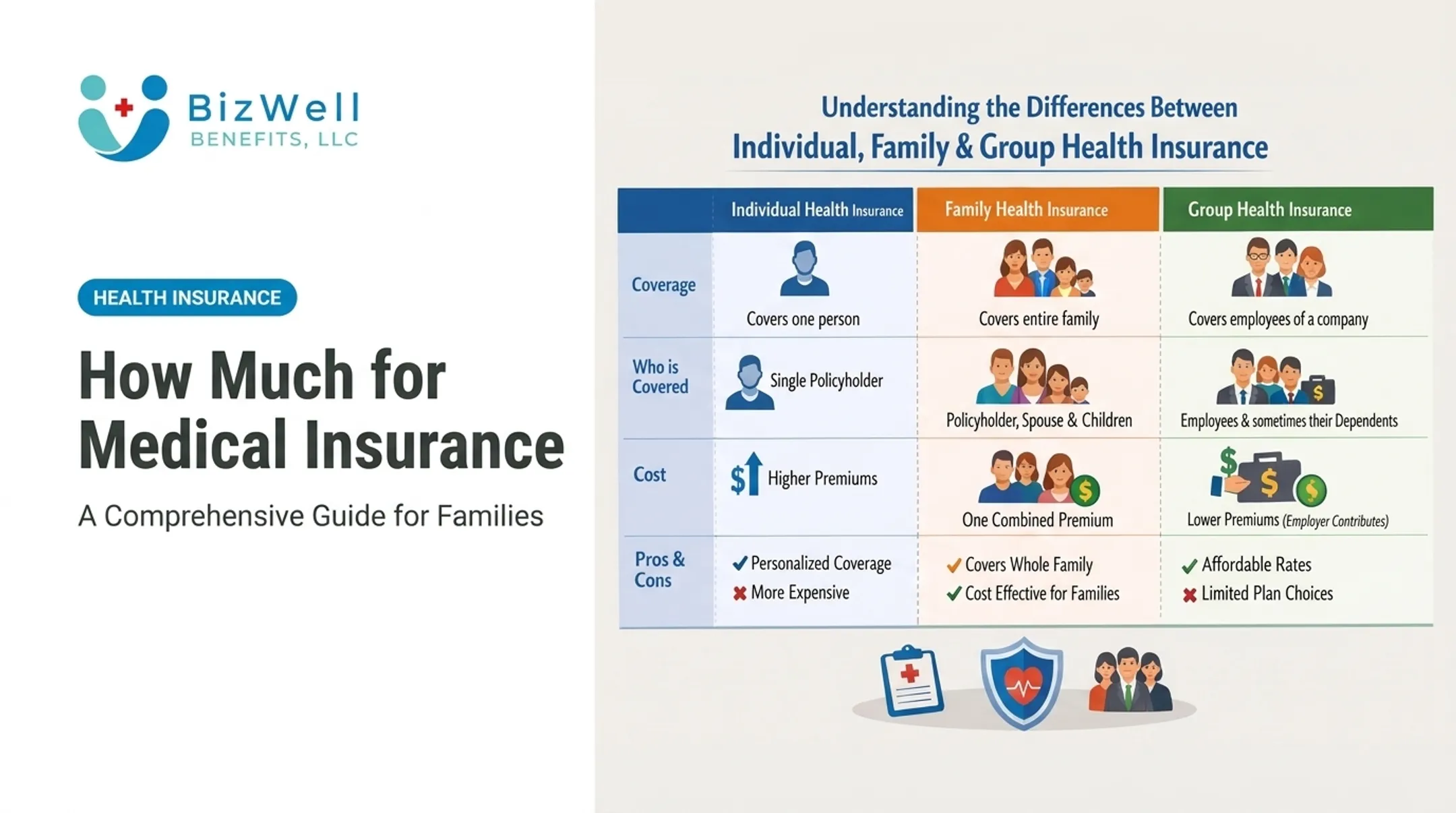
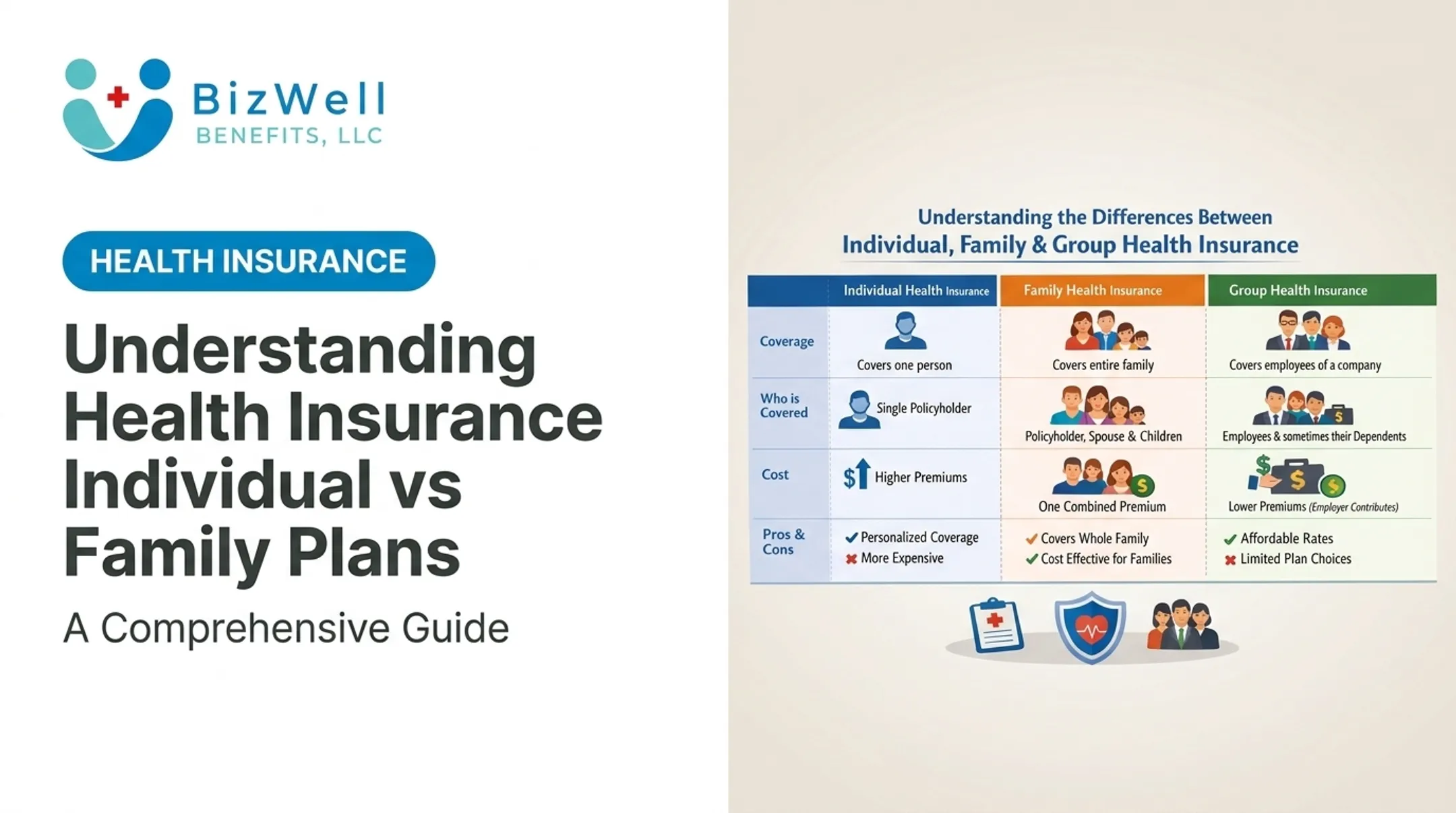
A single 28-year-old in good health has completely different priorities than a family of four with young kids or a couple easing toward retirement.
Before you pick a plan, weigh several moving parts:
- Premium and deductible
- Copays and coinsurance
- Out-of-pocket maximum
- Provider network
- Prescription coverage
Eligibility for subsidies or employer contributions matters too.
This guide compares leading U.S. insurer and plan-type options across Marketplace, private, employer-sponsored, Medicaid, and Medicare coverage. Use it to match a plan to your household and budget—not just the lowest premium.
TL;DR
- Match coverage to your age, household size, expected care needs, preferred doctors, and budget
- Kaiser fits integrated care; Blue Cross Blue Shield fits PPO shoppers; Molina can cut Marketplace costs where offered
- PPO plans offer more provider flexibility; HMO and EPO plans trade flexibility for lower premiums
- Compare total annual costs, not just the sticker premium, before deciding
- An independent broker like BizWell Benefits can help you compare carriers in plain language
Overview of Medical Insurance in the U.S. Market
Medical insurance is a contract. You pay premiums and cost-sharing (deductibles, copays, coinsurance), and the plan helps cover healthcare expenses in return.
Here's the terminology that trips people up most:
- Premium – what you pay monthly, whether or not you use care
- Deductible – what you pay before the plan starts sharing costs
- Copayment – a fixed dollar amount for a covered service
- Coinsurance – a percentage you pay after meeting your deductible
- Out-of-pocket maximum – the ceiling on what you pay in a plan year for in-network covered care
For 2025 Marketplace plans, that ceiling sits at $9,200 for an individual and $18,400 for a family, according to HealthCare.gov. Once you hit it, the plan covers 100% of covered, in-network services. Premiums and out-of-network charges don't count toward that limit.
How People Actually Get Coverage
Most households get coverage through one of these routes:
- Employer-sponsored plans
- HealthCare.gov or state Marketplace plans
- Private individual plans outside the Marketplace
- Medicaid or Medicare, for those who qualify
- COBRA continuation after job loss
- Short-term limited-duration coverage

Availability, pricing, and subsidy rules vary by state. A plan that's a great deal in Dallas might not even be sold in another county. Always confirm details directly with HealthCare.gov or your state exchange before enrolling.
The same insurer can offer very different networks and benefits depending on where you live. National "best insurer" rankings mean little until you check your ZIP code, doctors, and household needs.
Top 5 Best Medical Insurance Options for Individuals and Families
These aren't universal rankings. Think of them as "best for" categories. We evaluated affordability, network breadth, plan quality, customer experience, coverage flexibility, and fit for different household profiles. Confirm local availability before you commit to anything.
Kaiser Permanente — Best for Integrated Care and Value Where Available
Kaiser's health plan and its physician groups operate as one connected system, so your insurer and your care team aren't separate entities. That coordination can mean smoother referrals and centralized records.
Kaiser operates in specific regions, including Northern and Southern California, Colorado, Georgia, Hawaii, the Mid-Atlantic states, Nevada, the Northwest, and Washington. Not every individual or family plan is sold in every one of those markets, so a ZIP-code check matters.
Kaiser's Colorado commercial plans earned a 4.5-star NCQA rating for 2025, though that rating applies to commercial plans specifically, not necessarily every Marketplace option.
Pros:
- Coordinated primary and specialist care under one system
- Competitive pricing in several markets
- Strong digital tools for scheduling and records
Cons:
- Limited to specific geographic regions
- Out-of-network care is typically not covered
- Fewer options for people who split time between states
Blue Cross Blue Shield — Best for Broad Provider Access and PPO Choice
BCBS isn't one company. It's an association of independent, locally operated companies, each setting its own products and networks. That means "Blue Cross Blue Shield" in Texas can look very different from BCBS in another state.
For families with established doctors, kids seeing specialists in different cities, or frequent travelers, that local variation matters. Many BCBS affiliates offer PPO, HMO, POS, and EPO products side by side.
A BCBS Texas representative noted that POS plans typically carry a lower premium than PPO plans while still retaining more provider-choice flexibility than an HMO.

Pros:
- Broad PPO networks in many states
- Multiple plan-type options under one brand
- Out-of-network benefits available on PPO products
Cons:
- Benefits and pricing vary significantly by local affiliate
- Broader access typically costs more
- Confusing to compare across states if you relocate
Molina Healthcare — Best for Eligible Shoppers Prioritizing Marketplace Affordability
Molina reports roughly 5.5 million members across 21 states, spanning Medicaid, Medicare, and Marketplace segments. It tends to offer Marketplace plans in many of the same states where it runs Medicaid programs.
Quality ratings vary a lot by state. Molina's California Marketplace plan carries an overall Quality Rating of 3 stars, while its South Carolina plan carries 2 stars. That's a real reminder that a carrier's name doesn't guarantee consistent quality everywhere.
Pros:
- Lower premiums in many Marketplace-eligible states
- Potential access to subsidies and cost-sharing reductions
- Useful option for budget-conscious Silver plan shoppers
Cons:
- Quality ratings differ meaningfully by state
- Provider networks tend to be narrower
- Availability isn't guaranteed nationwide
Aetna or CVS Health — Best for Integrated Medical, Pharmacy, and Digital Benefits
Aetna, now part of CVS Health, offered individual exchange products in select counties across 17 states for the 2024 plan year, including Texas, Florida, Georgia, and Illinois.
The integration with CVS brings some practical perks: $0 preventive care, $0 virtual care, and access to more than 900 MinuteClinic locations for quick, in-person visits without a full doctor's appointment.
Pros:
- Pharmacy and medical benefits under one roof
- 24/7 virtual care access
- Wide MinuteClinic footprint for minor care needs
Cons:
- Available only in select counties, not statewide everywhere
- Formulary rules can limit which prescriptions get favorable pricing
- Marketplace and employer-sponsored products differ, so read the fine print
Independent Private PPO Coverage — Best for Flexibility and Broader Provider Access
Private, off-Marketplace coverage isn't the same as an ACA Marketplace plan. It can differ in enrollment periods, underwriting, benefits, and subsidy eligibility. That said, ACA-compliant private plans still can't turn you down or charge more for pre-existing conditions.
This route tends to appeal to self-employed professionals, frequent travelers, and families whose preferred doctors sit outside their local HMO network.
BizWell Benefits, for example, works with clients across Houston, Austin, Dallas, San Antonio, and most U.S. states who want private plans with nationwide PPO access and year-round enrollment. That flexibility helps when you need coverage outside the annual ACA Open Enrollment window.
Pros:
- Year-round enrollment, no waiting for Open Enrollment
- Nationwide PPO network options for travelers or multi-city households
- No referrals needed for specialist visits
Cons:
- No subsidies or premium tax credits outside the Marketplace
- Requires careful review of exclusions, waiting periods, and renewal terms
- "Nationwide network" doesn't mean every provider is in-network at the same rate
Before buying any private plan, compare the Summary of Benefits and Coverage, prescription formulary, maternity and mental health benefits, and pre-existing-condition rules. Don't take a sales pitch at face value.
How We Chose the Best Medical Insurance
We didn't declare one insurer universally "best." Availability, pricing, and network quality shift by state and even by county, so we built this list around a few consistent measures.
Total Annual Cost, Not Just Premium
A lower premium can cost you more over a year. Consider two hypothetical plans:
| Plan | Monthly Premium | Deductible | Annual Premium Cost |
|---|---|---|---|
| Plan A | $350 | $7,500 | $4,200 |
| Plan B | $650 | $2,500 | $7,800 |
Plan A saves $300 a month, or $3,600 a year, in premiums alone. But if you need expensive care early in the year, Plan B's lower deductible could leave you with far smaller total medical bills.
In 2023, average individual deductibles on HealthCare.gov ran $7,481 for Bronze plans, $4,890 for Silver, and $1,650 for Gold, according to KFF. Bronze premiums look cheap until you actually need care.

Provider Networks and Plan Design
We checked whether primary-care doctors, specialists, hospitals, and pharmacies show up in-network, since network rules directly shape your real costs. We also reviewed plan design details that affect access and out-of-pocket spend:
- Referral requirements and prior authorization rules
- Preventive care, maternity, and mental health coverage
- Telehealth access
Beyond network and design, premiums themselves depend on five factors: your location, age, family size, tobacco use, and plan category, per HealthCare.gov.
Consumer Experience
We drew on independent quality and complaint sources where available:
- CMS Quality Rating System scores
- NCQA plan ratings
- J.D. Power commercial member studies
- State insurance department complaint data
Where a Broker Fits In
An independent broker doesn't work for one carrier. BizWell Benefits, run by licensed agent Katherine Nguyen, compares plans across multiple insurers based on budget, medical history, and coverage needs. The team then walks clients through enrollment at no direct cost.
Always confirm any recommendation against the actual plan documents before you enroll.
Conclusion
The best medical insurance for you balances total cost, real benefits, provider access, prescription needs, and financial protection if something goes wrong. It's rarely the plan with the smallest monthly bill.
Before enrolling anywhere, run through these checks:
- Compare a few plan designs available in your state
- Confirm every household member's doctors and medications are covered
- Read the actual Summary of Benefits and Coverage, not marketing copy
If you're weighing options in Houston, Austin, Dallas, San Antonio, or elsewhere in Texas, BizWell Benefits offers a free, no-pressure consultation with a licensed healthcare agent who can compare plans across multiple carriers.
Call 713-352-7573 or email info@bizwellbenefits.com to get started. No specific savings or approval outcome is guaranteed, but you'll get a clearer picture of what actually fits your situation.
Frequently Asked Questions
How much does private health insurance cost?
Premiums vary by age, location, household size, plan type, coverage level, and subsidies. Younger adults usually pay less than older adults for similar coverage, and Marketplace, employer, and private pricing all differ. Get a quote for your situation.
Which type of medical insurance is best?
Match the plan type to your care use, budget, and need for out-of-network access. HMOs and EPOs cost less but limit networks; PPOs and POS plans cost more and add flexibility. Compare options against how you actually use care.
Which is better, a PPO or HMO?
PPOs allow out-of-network care without referrals but cost more monthly. HMOs cost less and usually need a primary-care referral before specialists. Review the plan documents, since insurer rules differ.
Which health insurance plan is best?
No single plan fits everyone. Weigh total yearly cost, provider network, prescriptions, family cost-sharing, and out-of-pocket limits—not the monthly premium alone.
What is the best private health insurance to buy?
Judge private plans by state availability, benefits, exclusions, network breadth, and renewal terms. Read the full policy and Summary of Benefits and Coverage instead of choosing on carrier reputation alone.
Which health insurance is best for a single person?
Weigh expected care use against premium cost, prescriptions, and preferred providers. Confirm Marketplace subsidy or employer eligibility before you compare private plan options.