
Yet many employees still don't understand how their plan actually works. Small business owners struggle even more, unsure whether they're required to offer coverage or how to structure it affordably.
This guide breaks down how ESI works, what it costs, who's eligible, and when it might make sense to compare your employer's plan against private market options, including how a broker like BizWell Benefits can help.
Key Takeaways
- Employer-sponsored insurance covers over 160 million Americans and is often the lowest-cost option because employers share premium costs
- Employers aren't legally required to offer coverage unless they have 50+ full-time equivalent employees
- Declining employer coverage means losing employer contributions and pre-tax advantages
- Common plans include PPO, HMO, and HDHP paired with HSAs
What Is Employer-Sponsored Health Insurance?
Employer-sponsored health insurance (ESI) is coverage an employer provides to employees and their dependents. Employers negotiate directly with insurers, then typically split the premium cost with workers through payroll deductions.
In 2025, average annual premiums reached $9,325 for single coverage and $26,993 for family coverage (KFF's 2025 Employer Health Benefits Survey).
Fully-Insured vs. Self-Insured Plans
There are two funding models behind ESI:
- Fully-insured plans: The employer pays a fixed premium to an insurance company, and the insurer takes on the financial risk for claims.
- Self-insured plans: The employer pays claims directly out of its own funds and bears the risk itself, often using a third party to administer the plan.
Self-insured arrangements now dominate the market. In 2025, 67% of covered workers were in self-funded plans, ranging from just 27% at small firms (10–199 workers) to 80% at firms with 200+ workers (KFF, 2025).
Why does this matter to you? ESI is generally cheaper than an individual plan purchased directly, thanks to group risk pooling and employer subsidies that spread costs across a larger population.
How Employer-Sponsored Health Insurance Works
Your employer selects one or more plans, decides how much of the premium it will cover, and you enroll during open enrollment or after a qualifying life event—such as marriage or the birth of a child.
Common Plan Types
Most employees will encounter one of these:
- PPO (Preferred Provider Organization): Lower in-network costs; out-of-network care allowed without a referral at a higher fee
- HMO (Health Maintenance Organization): In-network doctors only; typically no out-of-network coverage except emergencies
- POS (Point of Service): Lower in-network costs, with a referral required to see a specialist
- HDHP (High-Deductible Health Plan): Lower premium, higher deductible; often paired with a Health Savings Account (HSA) (HealthCare.gov)
In 2025, PPOs remained the most popular choice at 46% of covered workers, followed by HDHP/savings option plans at 33%, HMOs at 12%, and POS plans at 9% (KFF, 2025).

Eligibility and Waiting Periods
Eligibility usually hinges on full-time status. Under IRS rules, that means averaging at least 30 hours per week or 130 hours per month (IRS instructions for Forms 1094-C/1095-C). Dependents are typically eligible as well.
Waiting periods are still common:
- 68% of covered workers were at firms with a waiting period in 2025
- Average wait: 1.8 months
- Federal cap: 90 days
Weighing Your Options
You can decline employer coverage and buy a private plan instead. Compare subsidy eligibility, network access, and total annual cost—not just the premium—before you opt out.
An independent broker can put those side by side. At BizWell Benefits, employees and self-employed individuals can get a free, no-pressure comparison of their employer's offer against private market alternatives, including nationwide PPO plans. Bring your doctor list, medications, and monthly budget for a clear read on cost and network fit.
Is Employer-Sponsored Health Insurance Mandatory?
Not for every business. The ACA's employer mandate only applies to Applicable Large Employers (ALEs), meaning businesses averaging 50 or more full-time equivalent employees in the prior calendar year (IRS).
ALEs must offer Minimum Essential Coverage to at least 95% of full-time employees and their dependents, or face penalties.

2026 Penalty Amounts
The IRS indexes these penalties annually:
| Penalty Type | 2026 Amount | Trigger |
|---|---|---|
| Section 4980H(a) | $3,340 per employee | No coverage offered, and at least one employee gets a Marketplace tax credit |
| Section 4980H(b) | $5,010 per employee | Coverage offered but unaffordable or inadequate, and an employee gets a tax credit |
Source: IRS Revenue Procedure 2025-26
Coverage counts as "affordable" in 2026 if the employee's share of the lowest-cost plan premium is under 9.96% of household income (HealthCare.gov).
What About Small Businesses?
Businesses under 50 employees face no mandate. But many still choose to offer coverage and can qualify for the SHOP tax credit if they meet these requirements:
- Fewer than 25 full-time equivalent employees
- Average annual wages around $65,000 or less
- Employer pays at least 50% of premium costs
The credit covers up to 50% of premiums (35% for tax-exempt employers) for two consecutive years (IRS).
Cost of Employer-Sponsored Health Insurance
Who pays what? In 2025, covered workers contributed 16% of single premiums and 26% of family premiums on average (KFF, 2025). That works out to roughly $1,440 per year for single coverage and $6,850 for family coverage.
Firm Size Changes the Math
Workers at small firms often pay a larger share of premiums than workers at large firms:
- Workers at firms with 10-199 employees paid 36% of family premiums on average
- Workers at firms with 200+ employees paid only 23%
- Average annual family contributions: $8,889 at smaller firms vs. $6,227 at larger firms
Nearly 29% of workers at small firms were in plans requiring them to pay more than half the family premium, compared to just 5% at larger firms.

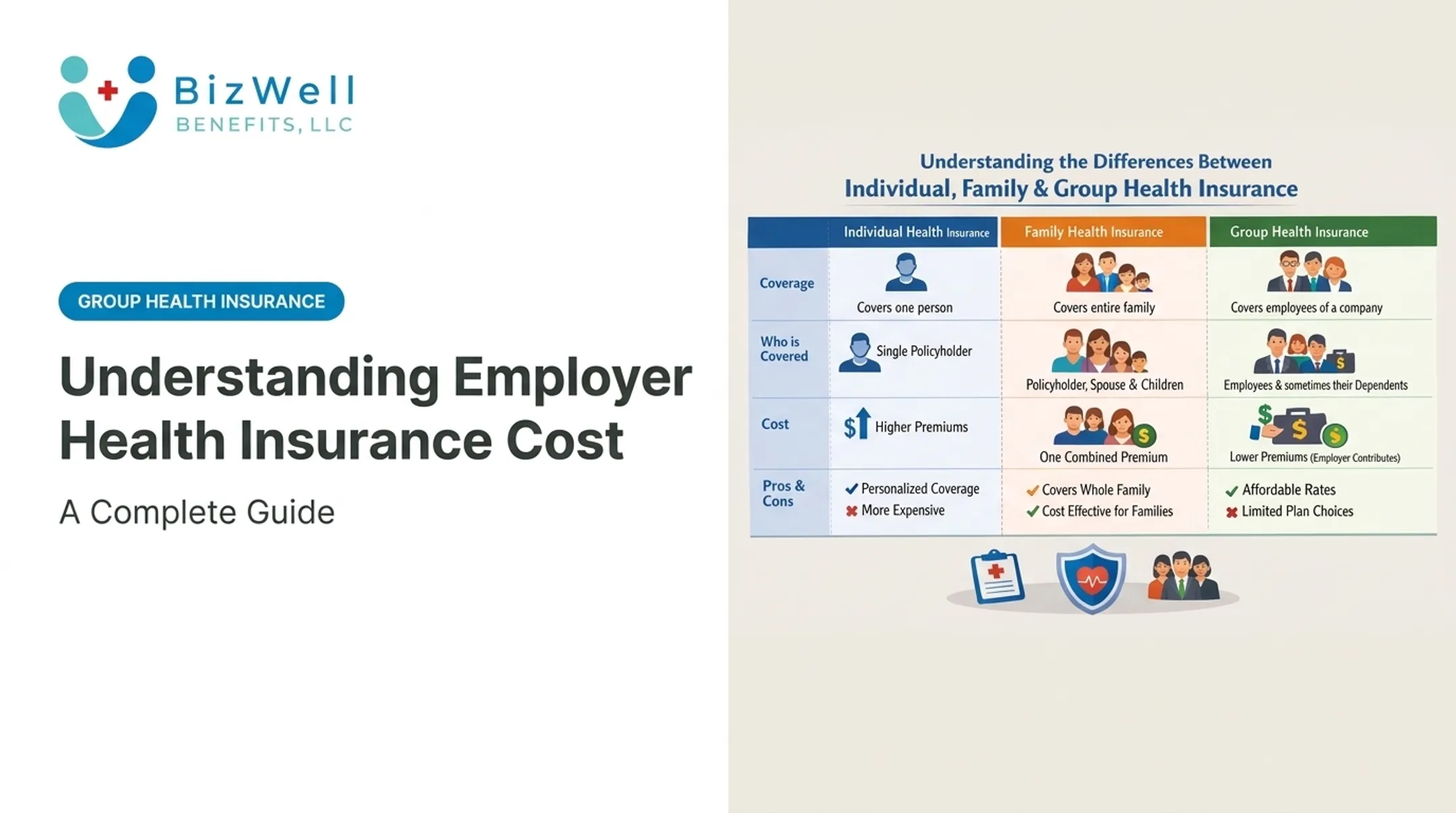
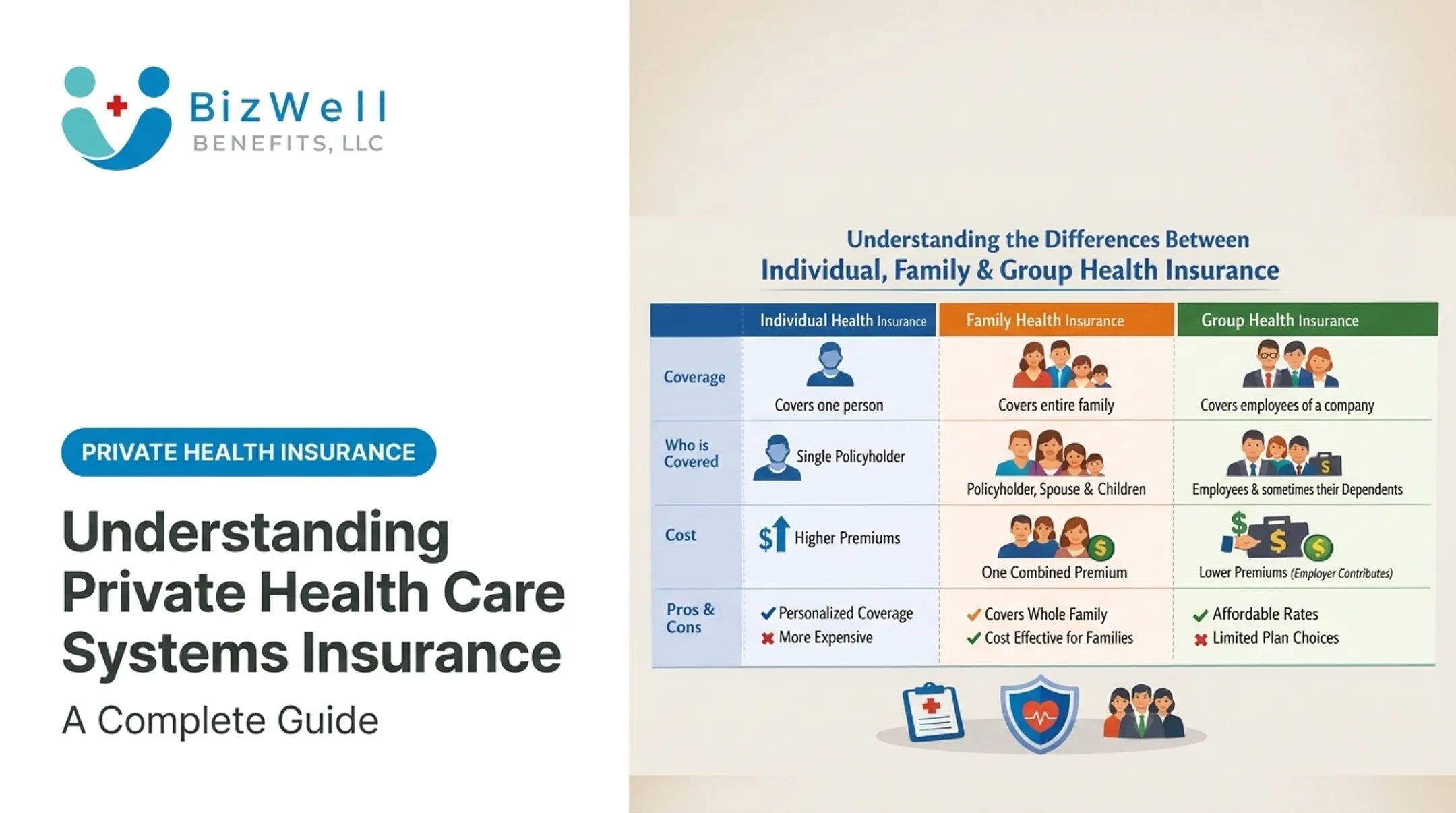
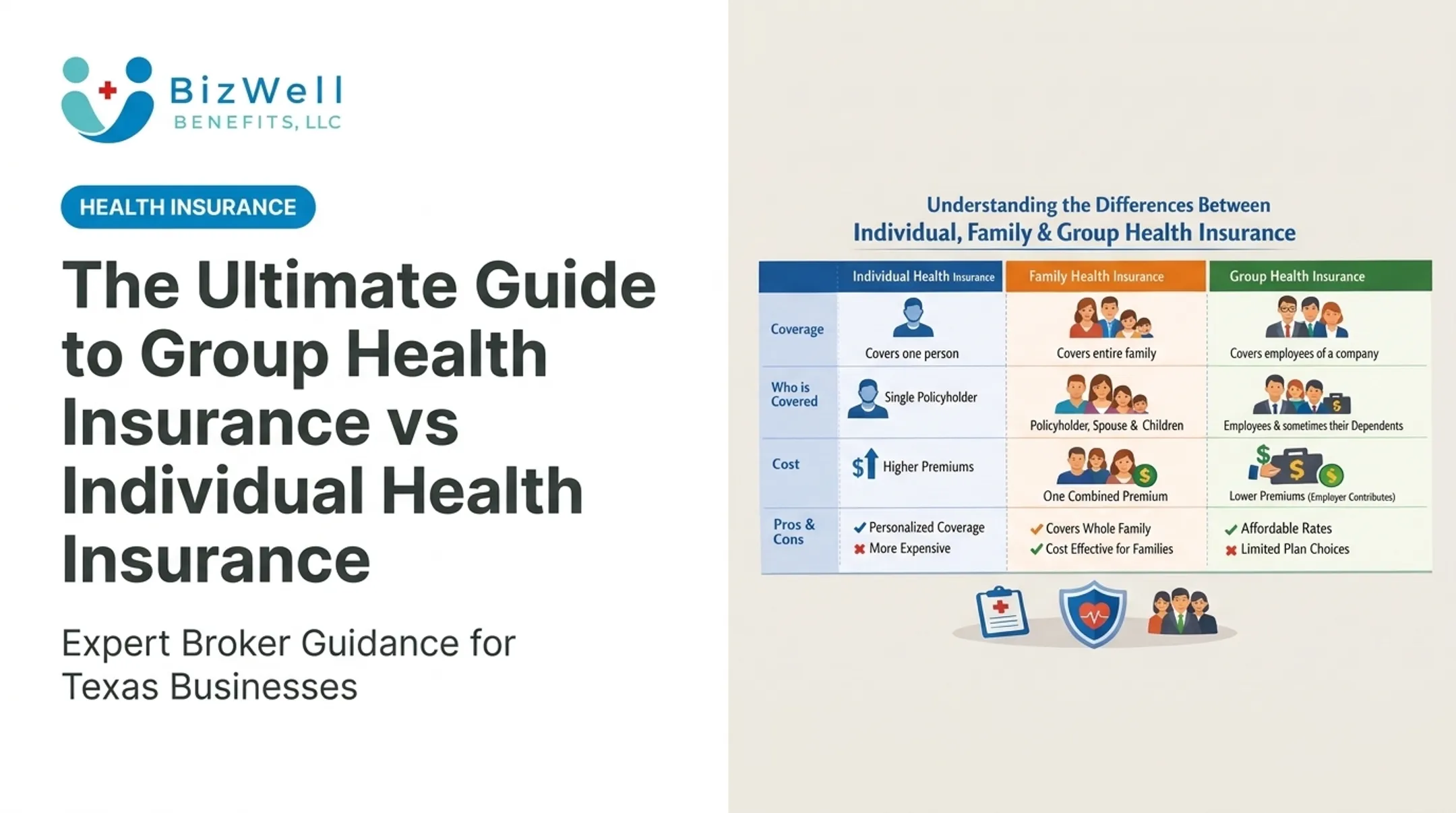
Why does group coverage stay cheaper than buying solo? Risk pooling spreads cost across healthy and sick enrollees alike. Employers also subsidize a large share of the premium that an individual buyer does not receive.
Employer-Sponsored Coverage vs. Buying Your Own Plan
You're allowed to decline your employer's plan and shop independently. But there's a catch: doing so usually means giving up the employer's premium contribution and the pre-tax payroll deduction that comes with workplace coverage.
That said, some people are better off outside the employer plan:
- Self-employed individuals without access to group coverage
- Part-time workers who don't meet eligibility thresholds
- Workers on unaffordable or low-value plans, who may qualify for Marketplace subsidies
Individual-market premiums averaged $540 per member per month in 2024, compared to $587 for fully-insured employer coverage.
That sticker-price gap flips once you add employer contributions and tax credits. Depending on income and subsidy eligibility, some households pay less through work coverage and others pay less on their own (KFF analysis).

BizWell Benefits helps individuals and small businesses run that comparison side by side—employer contributions, network access, and private options outside the ACA Marketplace. Depending on workforce size and plan design, some businesses see group plan savings of up to 50% versus individual-market rates.
Frequently Asked Questions
What is the average monthly cost of employer-sponsored health insurance in the US?
In 2025, average premiums were about $777/month for single coverage ($9,325 annually) and $2,249/month for family coverage ($26,993 annually). Employees typically pay only a fraction, with employers covering most of the cost.
How much do employers typically pay for employee health insurance?
Employers cover roughly 84% of single-coverage premiums and 74% of family-coverage premiums on average, though the exact split varies significantly by firm size and industry.
How much cheaper is employer-sponsored group health insurance compared to buying on your own?
Group risk pooling and employer subsidies typically make employer-sponsored insurance (ESI) cheaper for the employee, even when gross premiums are similar to individual plans. The employer's contribution drives most of the savings.
Who is eligible for employer-sponsored health insurance?
Eligibility generally requires full-time status, averaging 30+ hours per week, plus completion of any waiting period, which averages under two months. Eligible dependents can typically join too.
Can I buy my own health insurance if my employer offers coverage?
Yes, you can decline employer coverage, but you'll likely lose the employer's premium contribution and pretax tax benefits. It's worth comparing costs with a broker before deciding.
What types of employer-sponsored health insurance plans are most common?
PPO plans lead at 46% of covered workers, followed by HDHP plans paired with HSAs at 33%, then HMO and POS plans making up the remainder.
Navigating ESI, ACA rules, and private market alternatives can get complicated fast. Whether you're an employee weighing your options or a small business setting up group coverage for the first time, BizWell Benefits offers free, no-pressure consultations to help you compare plans across multiple carriers and find coverage that actually fits your budget.